Linea di Confine APS

From Relational Aesthetics to Civic Agency: Evaluating the Invisible Infrastructure of Theatre-Based Inclusion

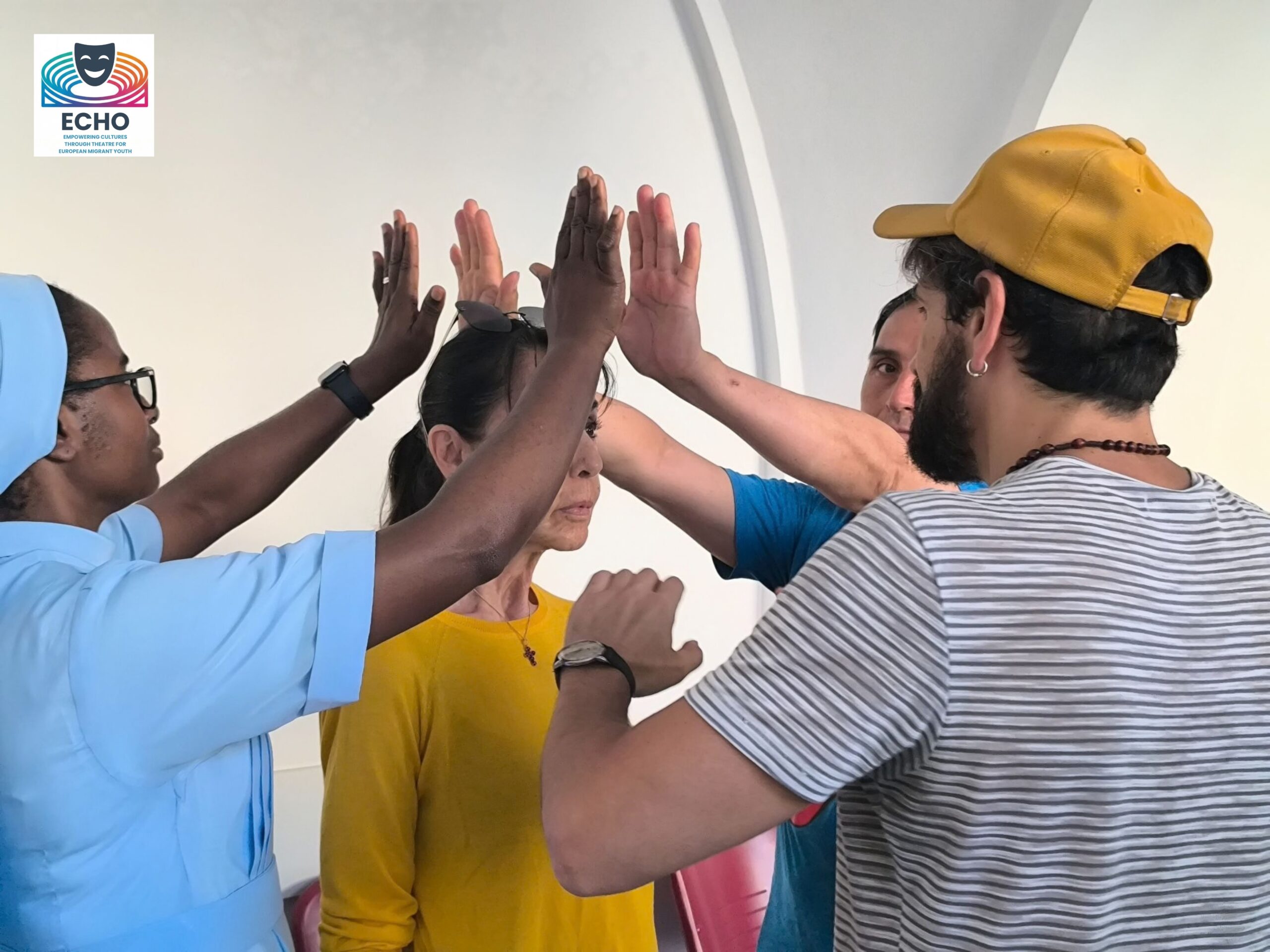
In a world where young migrants and refugees often face barriers to inclusion, the ECHO project is redefining the landscape of social integration through the transformative power of theater. By creating safe, co-creative spaces, participants engage in dynamic workshops that foster trust, community, and self-expression. This article explores how the principles of Relational Aesthetics and Liminality shape these experiences, allowing individuals to reclaim their identities and build civic capital. Join us as we delve into the invisible infrastructure of theater-based inclusion and discover how art can break down barriers in your local community.

From Relational Aesthetics to Civic Agency: Evaluating the Invisible Infrastructure of Theatre-Based Inclusion Read More »

Theatre for Inclusion: From Pedagogical Theory to Educational Practice

Theatre for inclusion emerges as a transformative educational practice, addressing the challenges posed by cultural and social diversity in contemporary European societies. By moving beyond traditional pedagogical approaches, theatre-based methodologies foster participation, self-expression, and empowerment among young people from marginalised backgrounds. Drawing on the principles of critical pedagogy and experiential learning, these practices create shared spaces for exploration and dialogue, allowing participants to engage with their identities and social dynamics. As a powerful tool for addressing complex social challenges, theatre for inclusion prioritises process over performance, valuing personal narratives and emotional engagement as essential components of the learning experience.

Theatre for Inclusion: From Pedagogical Theory to Educational Practice Read More »

Giving Voice to Young People: Theatre as a Pathway to Inclusion in ECHO

Theatre, when employed as an educational tool, transcends mere performance; it activates deep and transformative learning processes. In ECHO, we harness this universal language to create a space where young people with migratory backgrounds can express themselves freely, without fear of judgement. Guided by Augusto Boal’s vision of theatre as a political and educational space, participants become active agents in their learning journey. Through workshops and embodied explorations, theatre fosters trust, creativity, and meaningful encounters, empowering youth to reclaim their voices and recognize themselves as actors in their own development. Discover how ECHO transforms lives through the power of theatre.

Giving Voice to Young People: Theatre as a Pathway to Inclusion in ECHO Read More »

Scroll to Top